Irerero School, Rwanda
About Irerero School
New Mona Partner in 2025
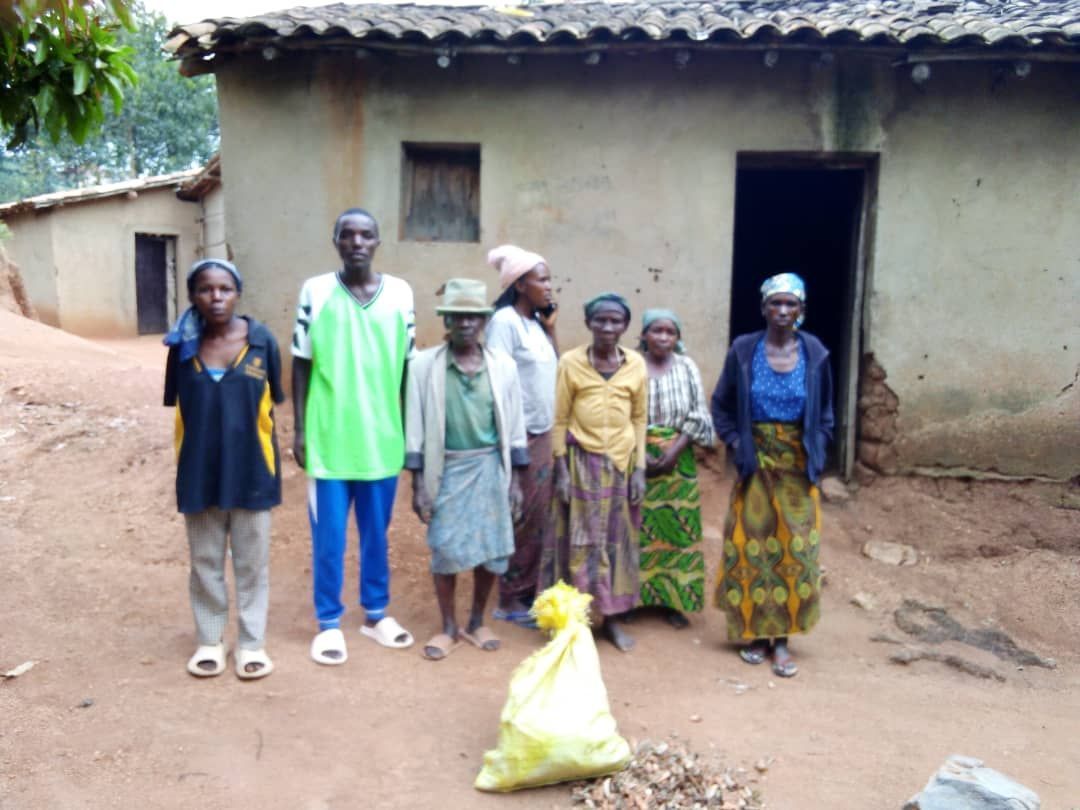
Irerero School partners closely with Pygmy Survival Alliance (PSA) in the United States and Health Development Initiative (HDI), a Rwandan nonprofit, to support the people known historically as the "Batwa", an extremely marginalized population and one of many indigenous groups in Central Africa broadly known as Pygmies.
In 2009, PSA and HDI began collaborating with one village outside Kigali to help empower the people to address basic needs and reduce the nearly 50% mortality of children under age 5. Over time, the mothers said, “Before, many of our children were dying … Now, so many are surviving, we need a nursery school where they can go.” In response to their request, a local development leader, Claude Bizimana, founded Irerero Nursery School in 2015 as a nonprofit Early Childhood Development (ECD) center.
Today, Irerero is far more than a nursery school. Through its continuing partnership with PSA and HDI, and with strong community and youth leadership, dedicated teachers, and parent involvement, Irerero School now also provides academic support, scholarships, skills training, and development and cultural programs for hundreds of children, youth, and adults across three villages.
The Challenge
Rwanda’s indigenous forest dwellers are known as "Batwa", and in the national language of Kinyarwanda often called "the people left behind by history". A dwindling population of about 33,000, they were displaced from their ancestral lands in the twentieth century by wildlife conservation and agricultural expansion, leaving them landless, impoverished, and socially excluded. About one-third perished in the country's 1994 genocide, and survivors were largely excluded from national reconciliation and aid programs. Many lost family members, homes, and any remaining land, while their suffering went largely unacknowledged. Today, their communities face extreme poverty, limited access to education and healthcare, and entrenched discrimination, making them one of Rwanda’s most vulnerable groups.
Although primary and secondary school tuition is free, Batwa families are often unable to afford school uniforms, study materials, or meal contributions. Children may also experience stigma from teachers and peers. The combined result is high absenteeism and dropout rates. Only about 16% of children complete primary school, and 3% complete secondary education. Adult illiteracy is above 50%.
The Solution: Irerero School Programs
Irerero's extensive programs reflect the school's community-driven approach to education and empowerment:
- Early Childhood Education (ages 3–6): Nursery school classrooms that are safe and nurturing, where children receive foundational learning and a daily meal.
- After-School Tutoring (Grades 4–6): Targeted support to improve student learning and ensure readiness for national exams.
- Scholarships: Support for secondary and university students, creating pathways for higher learning.
- Library & Technology Access: Books, educational toys, and a planned computer lab with Wi-Fi to equip students with digital skills.
- Girls’ Empowerment: Cultural arts and dance program that provides mentorship for girls.
- Sports Programs: Training and recreational activities that promote health, teamwork, and confidence.
- Skills Training for Youth and Young Adults: Practical vocational skills such as tailoring, hairdressing, and shoemaking that open pathways to employment and income generation.
- Parent & Community Engagement: Adult literacy classes, farming, animal husbandry, financial training, and awareness-building on health and nutrition to improve community stability and sustainability.
How we help
Mona Foundation has followed Pygmy Survival Alliance's development work in Rwanda with great admiration for many years and thus learned about Irerero School. We are delighted to now join with PSA in supporting the Irerero School to further strengthen and expand the firm foundation they built together: an empowered community-driven model where dedicated local leaders, teachers, parents, and youth are actively engaged in shaping educational opportunities to uplift their children, families, and communities.
Irerero School's 2025 Progress
With your help:
- 188 students educated
- Established a computer lab with 10 desktops and free community Wi-Fi serving students and over 100 community members
- Recruited 2 new teachers and 4 teacher helpers to support primary students
- Provided scholarships for 17 secondary school students covering tuition, uniforms, and school materials
- Expanded community library with multilingual books in partnership with Kigali Library
- Trained 10 girls in sewing reusable sanitary pads through the girls' empowerment program
- 50 adolescents participated in sexual and reproductive health sessions in partnership with Health Development Initiative
2026 Plans
Mona's commitment: $10,000
- Educate and serve 200 preschool students
- Expand after-school tutoring with additional teachers for 50 Primary 4–6 students
- Provide scholarship support for 190 elementary students, vulnerable secondary learners, and 3 university students, including the first Batwa women from Cyaruzinge to enter university.
- Serve 100 students through youth empowerment programs and 20 students through girls' empowerment programs
- Launch parent education programming focused on positive parenting and the value of education for
100 parents
Ngabo is a Changemaker. Listen to his story.
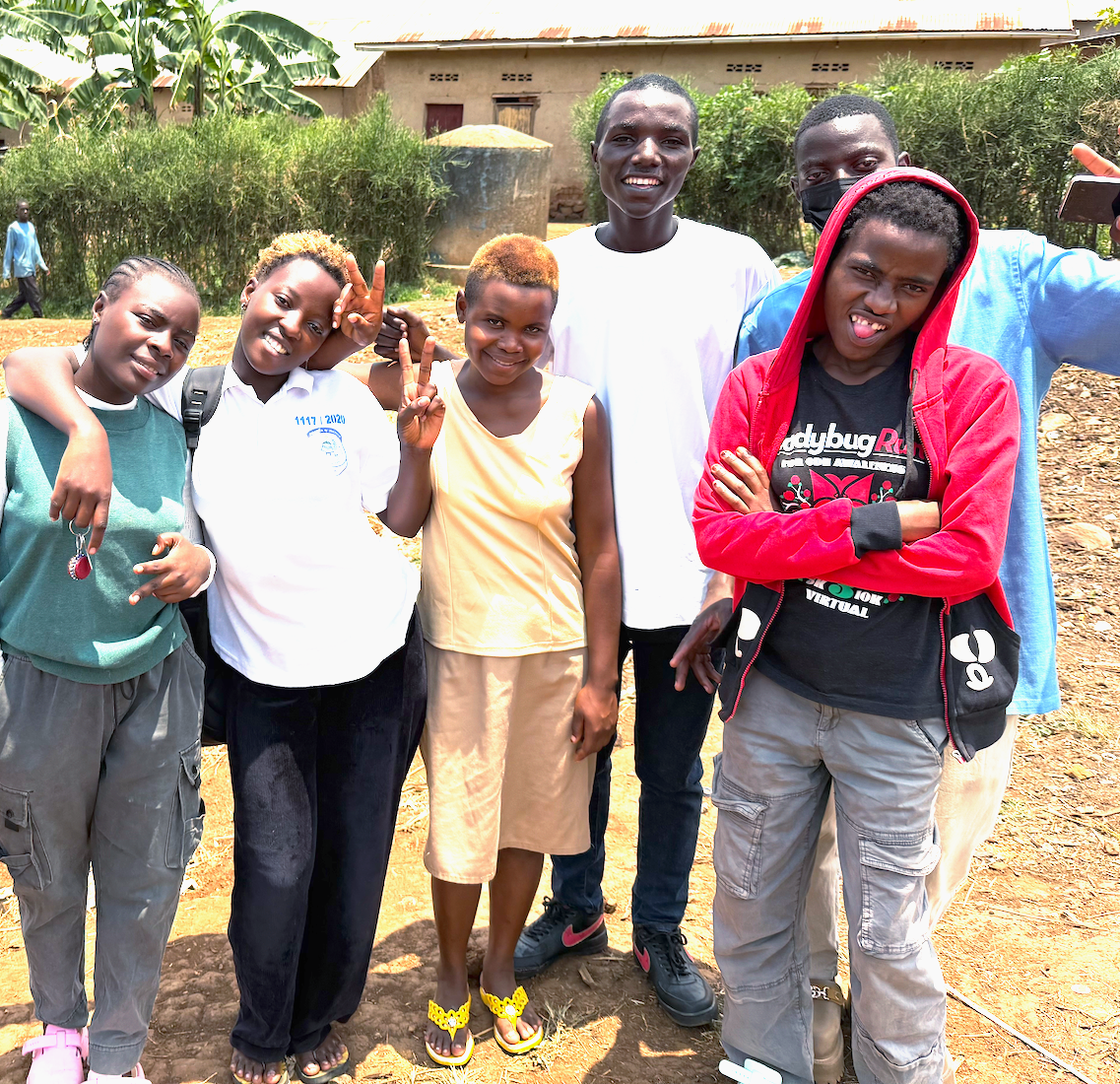
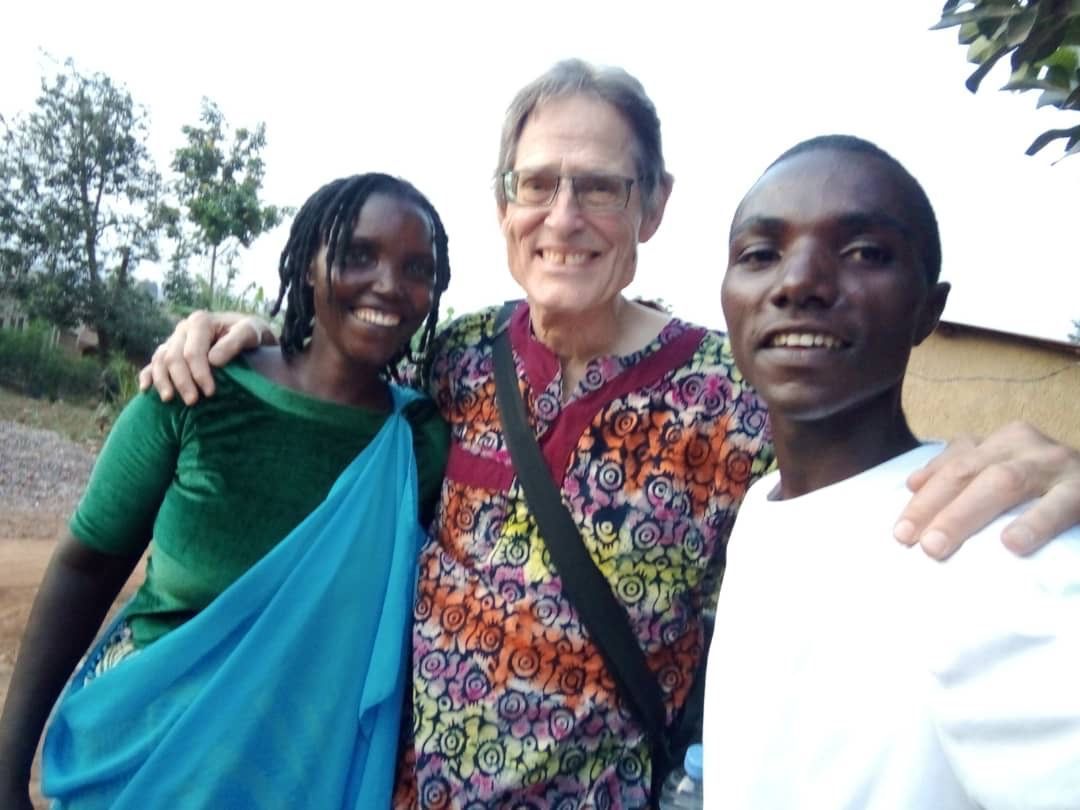
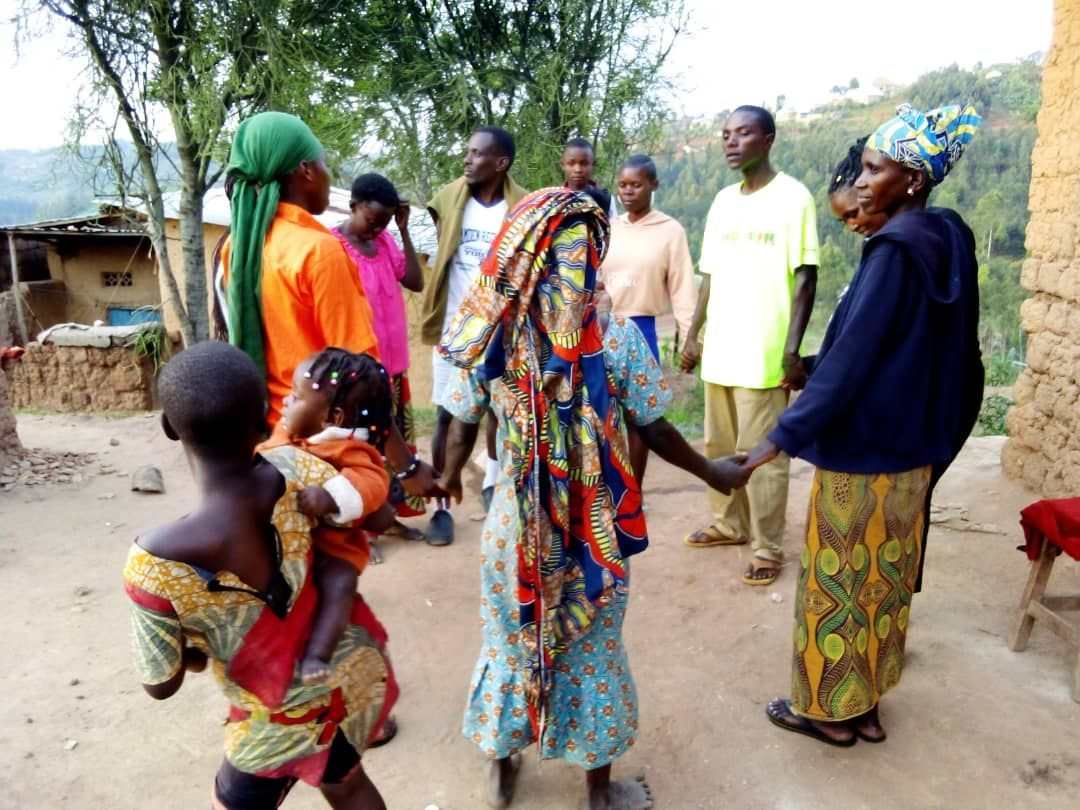
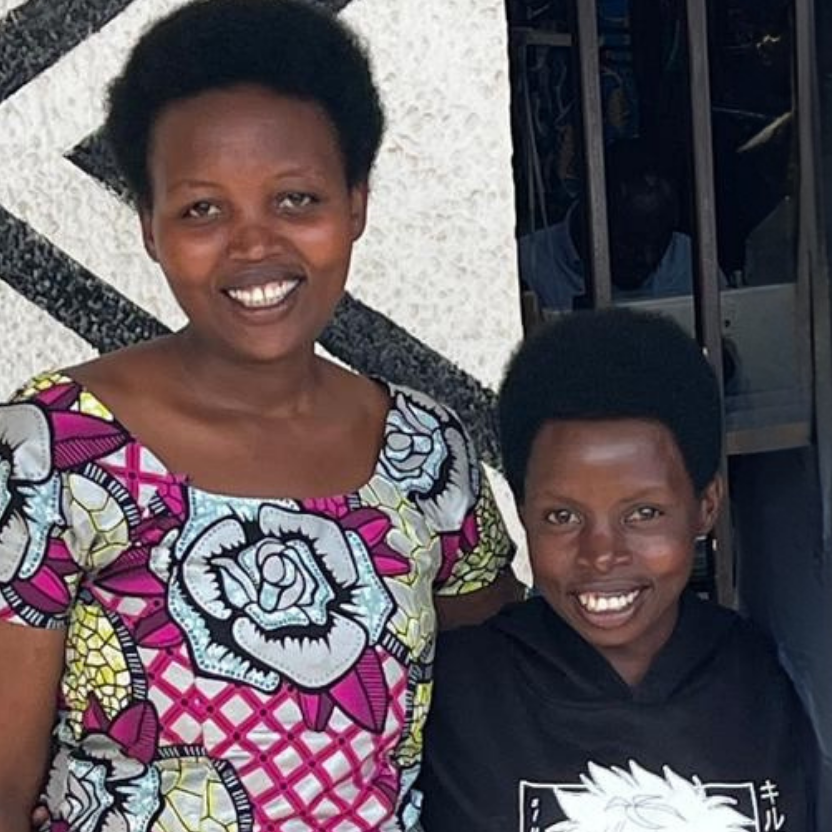
Across Irerero’s preschool programs, 226 children are beginning their education, including 149 at the Cyaruzinge school. Each day, the school’s headmistress and one of its teachers help guide their learning. This year, they are continuing their own.
The two educators are among three university students receiving scholarships through Irerero in 2026—and the first women from Cyaruzinge’s Batwa community to pursue higher education. Both are advancing their training in early childhood education, bringing new knowledge directly back to their classrooms.
Irerero, Mona’s newest partner, works alongside three Batwa villages to expand educational pathways for a people who have experienced generations of displacement, exclusion, and discrimination. In the first half of 2026, it also assisted 190 children to remain in primary school, expanded academic tutoring to address learning gaps, and engaged 112 parents in supporting their children’s learning.
With Mona’s support, those pathways now extend to university. For these educators, the opportunity strengthens what they bring to 145 young learners every day. For Cyaruzinge’s girls, it makes a once-unseen future visible through women they already know.
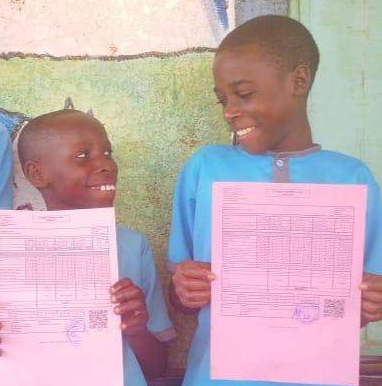
Thirteen-year-old Clever wanted to learn. But each morning, before leaving for school, he was expected to complete several household chores. By the time he reached the classroom, he was often tired and found it difficult to concentrate or participate fully in lessons.
His teachers at Irerero recognized that something was standing in the way of his learning. Through Irerero’s parent education program, staff began talking with Clever’s parents about the challenges he was experiencing and the important role families play in supporting their children’s education.
“We did not fully understand how the responsibilities we gave our son at home were affecting his education,” his parents shared. “Through the discussions and support from Irerero, we learned that we also have an important role in helping our children succeed in school.”
Clever’s parents began reorganizing responsibilities at home so he would have more time and energy to prepare for school and study. The change soon became visible in the classroom. Clever began attending more consistently, participating more actively, and approaching his education with greater confidence.
“Before, I sometimes came to school already tired because I had many things to do at home,” Clever said. “It was difficult for me to concentrate in class even though I wanted to learn. Now, my parents give me more time to prepare for school and study. I attend school regularly, concentrate better in class, and I feel more confident about my education and my future.”
Now in Primary 4, Clever is demonstrating a growing interest in his studies. His teacher has noticed the difference:
“He is more attentive during lessons and participates more actively in class. The improvement in his confidence and engagement has been encouraging. He is showing greater interest in his education and benefiting from the support he now receives at home.”
The experience has also changed how Clever’s family thinks about education. His parents have committed to providing the same support to his younger siblings when they reach school age.
“We have changed how we organize responsibilities at home, and we can already see a positive change in our son,” they said. “We are committed to supporting his education and giving the same support to his younger siblings when they start school.”
Clever’s story shows what can happen when teachers and families work together to understand the circumstances affecting a child’s learning. By listening, adapting, and making education a shared priority, Clever’s family is creating an environment in which he—and, in time, his younger siblings—can participate fully in school and pursue their potential.
Sixteen-year-old Jacques has a clear vision for his future: he wants to become a doctor and use his education to care for others in his community.
Continuing his studies, however, was not always certain. Jacques’s family faced financial challenges, and the cost of school materials and other essential expenses made it difficult for him to participate fully in school.
Through Irerero’s education program, Jacques received support that helped him remain in public school and focus more fully on his studies. Alongside assistance with education-related costs and learning materials, he benefited from academic guidance and afterschool support.
Jacques responded to that opportunity with focus and determination. Since enrolling in the program in Primary 4, he has advanced to Primary 5, become more engaged in class, and steadily improved his academic performance. Today, he is the top-performing student in his class.
“I have seen a significant positive change in Jacques’ academic performance and attitude toward learning,” his teacher shared. “He is more focused on his studies, participates actively in class, and has become more confident in his abilities.”
For Jacques, education is a pathway toward serving both his family and his wider community.
“I want to continue learning, achieve my dream of becoming a medical doctor, and one day use my education to support my family and help people in my community,” he said.
He is already putting that commitment into practice. At home, Jacques helps his younger sister, who attends Irerero’s nursery school, with her homework and encourages her to take her education seriously. As his own confidence has grown, he has become a source of encouragement for someone following close behind him.
His progress has also deepened his family’s engagement in his education.
“As a parent, I am very happy to see the progress my son has made,” his parent shared. “I can see that he takes his studies more seriously and has clearer dreams for his life. Our family is very grateful for this opportunity, and we will continue to encourage and support his education.”
With encouragement at home and continued support from Irerero, Jacques is working steadily toward the future he envisions—one in which learning enables him to care for his family, serve his community, and help others pursue their own potential.
Other Mona partners you may be interested in
ADCAM, BRAZIL
Badi School, PANAMA
FUNDAEC, COLOMBIA