Scaling Beyond One School:
How MAIA Is Shaping Educational Practice in Guatemala
By Laura Baerwolf, Managing Director, Mona Foundation (2026)
Four years ago,
I visited MAIA Impact School in Guatemala for the first time as the final step in welcoming the school as a new Mona Foundation partner. I left deeply impressed by the school’s vision, leadership, and holistic approach to education.
Launched in 2017,
MAIA is Central America’s first female, Indigenous-led secondary school, specifically designed to connect the talents of rural Indigenous young women with greater educational and economic opportunity. Students are referred to as
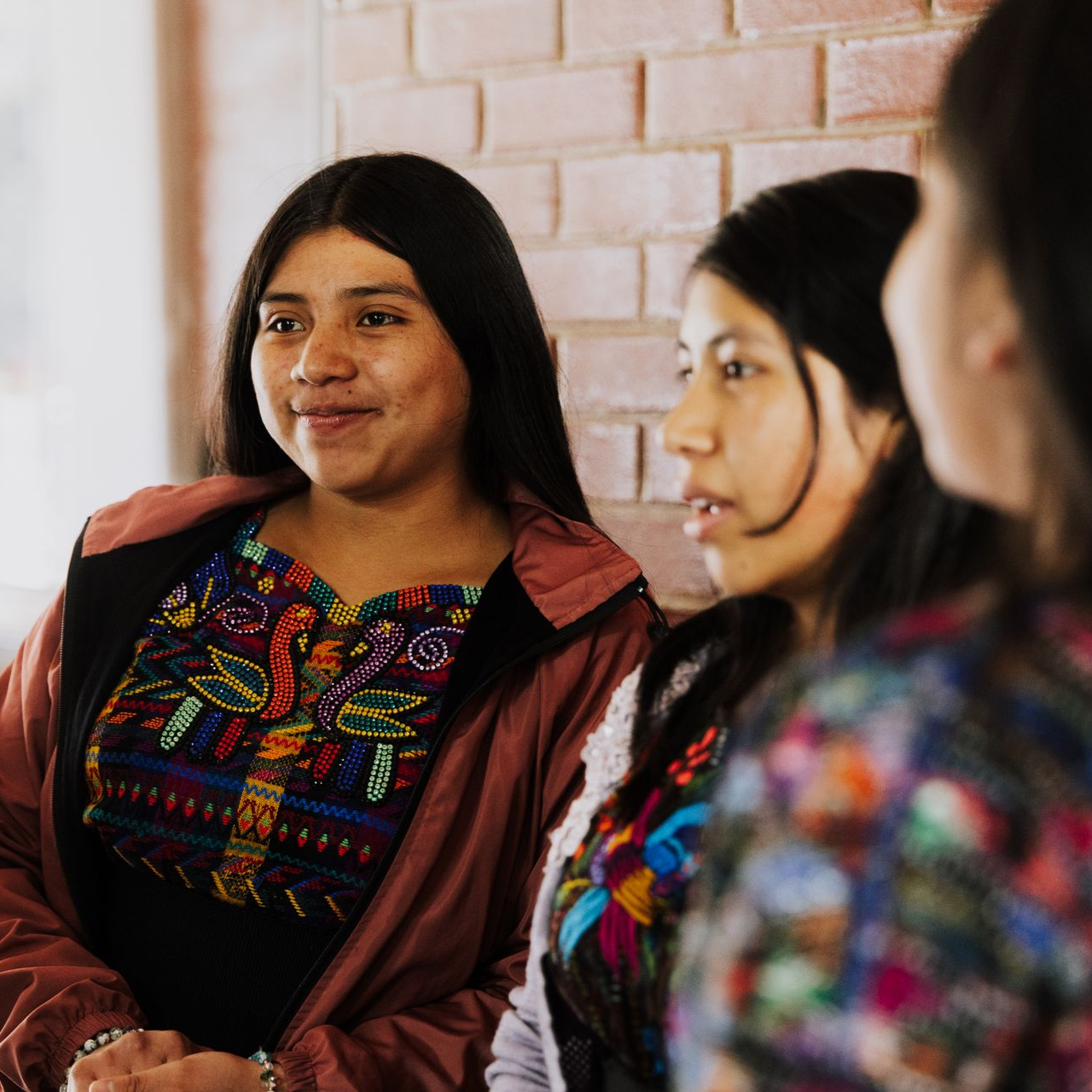
Girl Pioneers because they are forging a new trajectory for themselves and their families.Today, MAIA serves
448 girls from 48 remote highland villages.
The barriers these young women face are significant. In the small highland city of Sololá, where MAIA is located, the population is 98% Indigenous Maya and nearly 81% live on less than $3 a day. Fewer than 20% of Maya girls complete high school, more than 50% marry or become mothers by age 20, and fewer than 10% participate in the formal economy.
At that time of my first visit, MAIA was still recovering from the pandemic and focused on consolidating the lessons learned from its early years. In 2025, they launched a new strategic plan that, for the first time, included a focus on scaling their reach and impact.
Returning this May, I was eager to see firsthand how far MAIA had come, what they were learning about, and how Mona could best support their efforts.
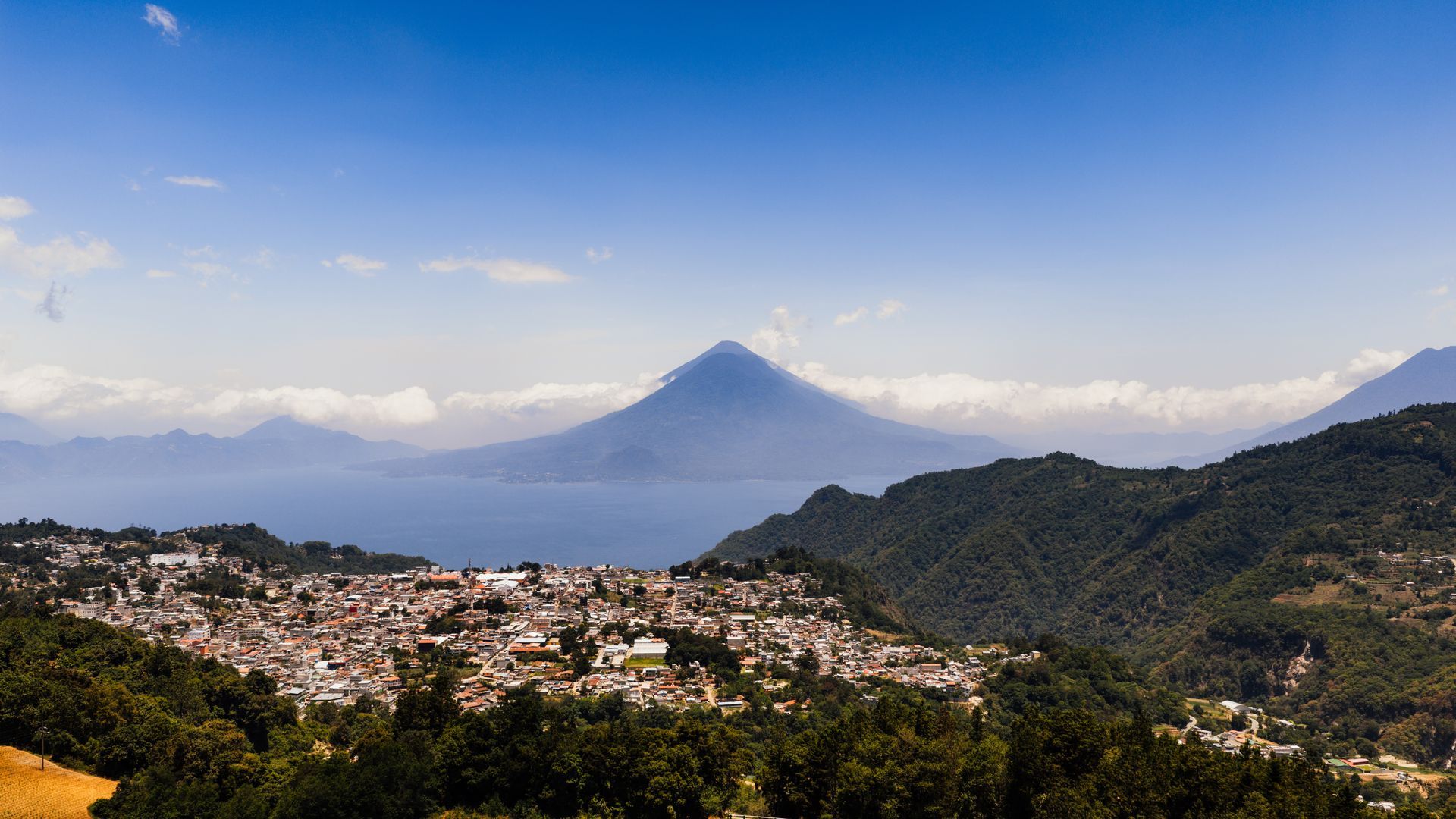
MAIA Impact School, a Mona partner since 2022, is nestled above the shores of Lake Atitlan in the small highland city of Solola. Serving 448 girls from 48 villages, MAIA is Central America's only secondary school of its scale led by Indigeneous Maya women for Maya girls.
A School Built to Release the Potential of Maya Girls
Together, these experiences revealed an educational ecosystem designed around the potential of Maya girls—and continually learning how to serve them better.
What Four Years of Growth Looks Like
The most visible change since Mona's first visit is MAIA evolution from a school to a comprehensive educational ecosystem.
In addition to the secondary school and its holistic programs,
MAIA now offers a sixth-grade leveling program to help incoming students bridge gaps in their public school education;
a mature post-secondary success program supporting MAIA graduates as they transition to university, employment, and leadership opportunities; and
a growing alumni network that strengthen opportunities for students who are often the first in their families to attain higher education.
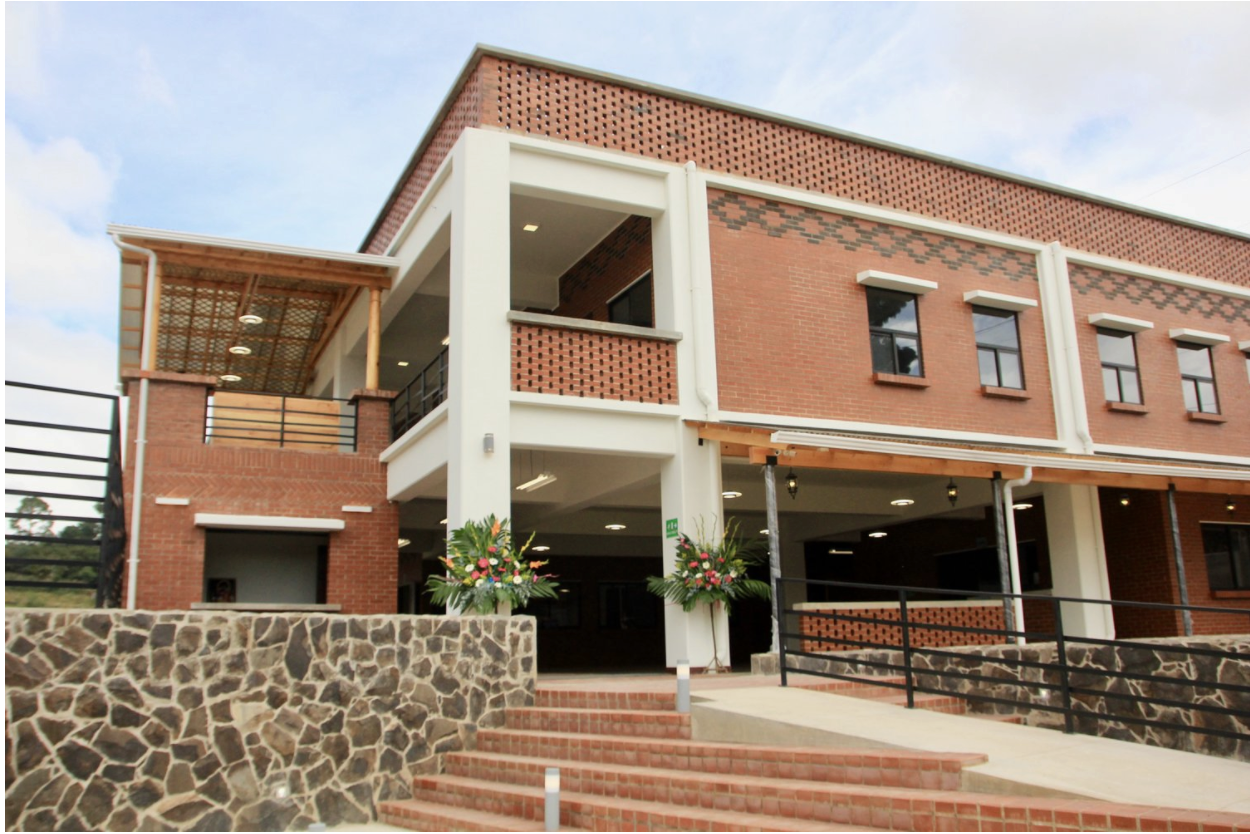
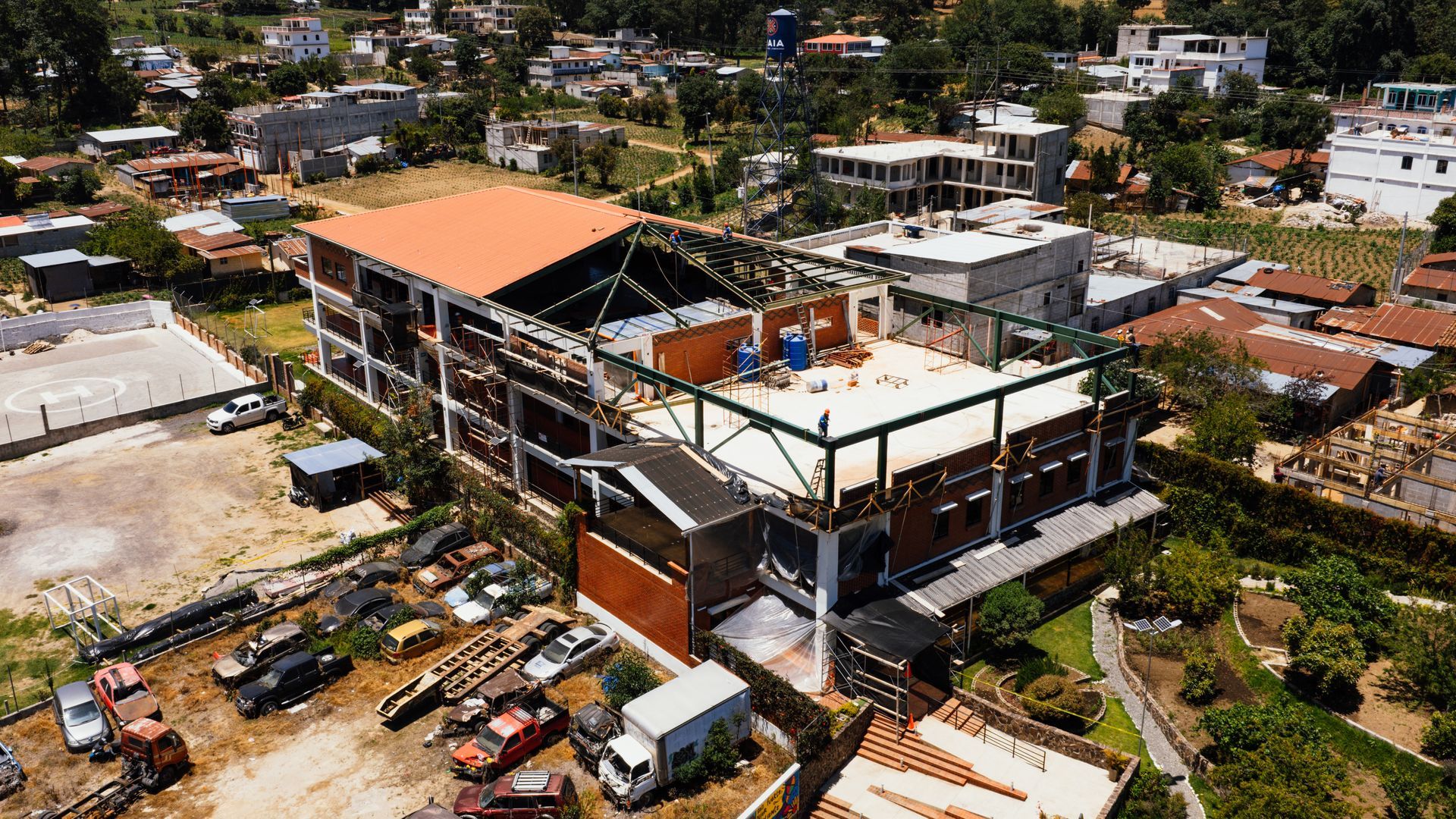
That growth is visible on campus, too, where MAIA is adding a third floor to accommodate its expanding programs.
Just as striking is MAIA's
deep commitment to measuring progress and learning from the results. A recent survey reaching one-third of all MAIA graduates found that they complete nearly
three times the average years of schooling achieved by Indigenous women nationally and are almost
five times more likely to secure formal employment than rural women nationwide. On average, graduates delay marriage or first childbirth to age 24—approximately five years later than the national average—and are more than
ten times as likely to hold leadership positions in their communities and workplaces.
These outcomes reflect years of intentional learning, adaptation, and growth—all of which MAIA's leadership has very capably managed while maintaining program quality and a clear focus on their mission.
MAIA Impact School, 2022
Button
In 2026, MAIA is adding 3rd floor to accomodate growth
Button
Leadership Growing from Within
Local leadership is at the heart of MAIA's model. Guided by the belief
"if she can see it, she can be it", nearly all of MAIA's staff and leadership are Indigenous Maya women. 30% are MAIA graduates, giving Girl Pioneers the opportunity to learn from women who share their culture, understand their communities, and have walked the same path. To strengthen the quality of rural education, the school invests heavily in providing ongoing professional development for its entire team -- educators, mentors, and local leaders -- using innovative, girl-centered, and culturally relevant practices.
Several of the Indigenous Maya women now leading MAIA began their own journeys as students in the mentorship program that preceded the Impact School.
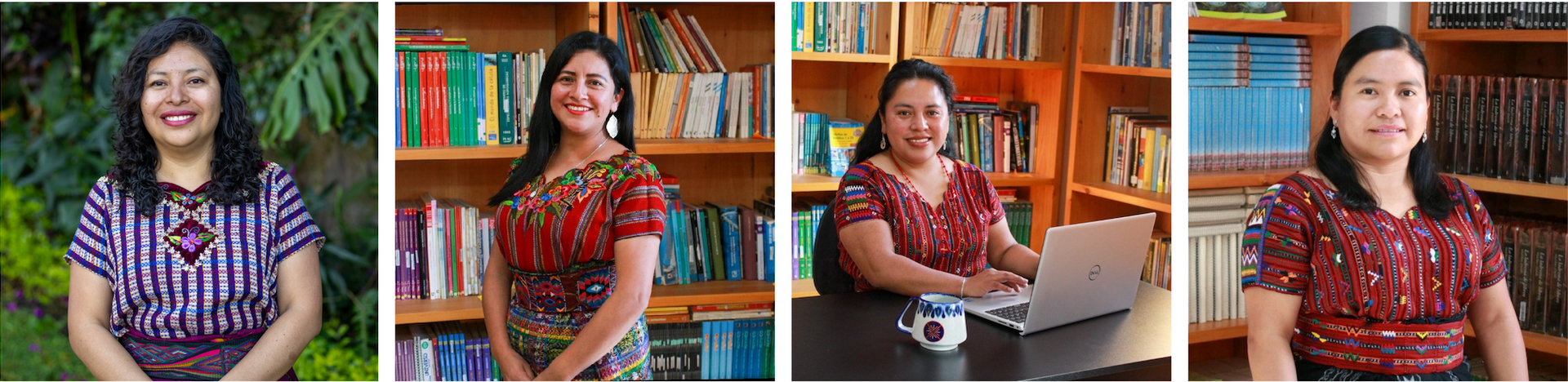
The leadership team itself is impressive. CEO Andrea Coche, Executive Director of Direct Services Roselia Toj, Executive Director of Strategic Partnerships Vilma Saloj, and Academic Co-Director Celestina Paz (pictured above L-R) all began their journeys as students in the mentorship program that preceded MAIA and were among the group that co-founded the Impact School.
Today, their leadership is deeply intentional, grounded in community, and characterized by an unwavering commitment to continuous learning. Seeing these Indigenous women lead was a powerful illustration of how capacity can develop from within. A few once sat in the same classrooms as today’s Girl Pioneers. Now they are helping guide MAIA into its next chapter and cultivating its next generation of leaders from within.
And increasingly, what MAIA has learned is reaching beyond the school itself.
From One School to the Wider Educational System
This may have been the most striking difference between Mona's first and return visits. Four years ago, MAIA was focused on strengthening and consolidating its own model.
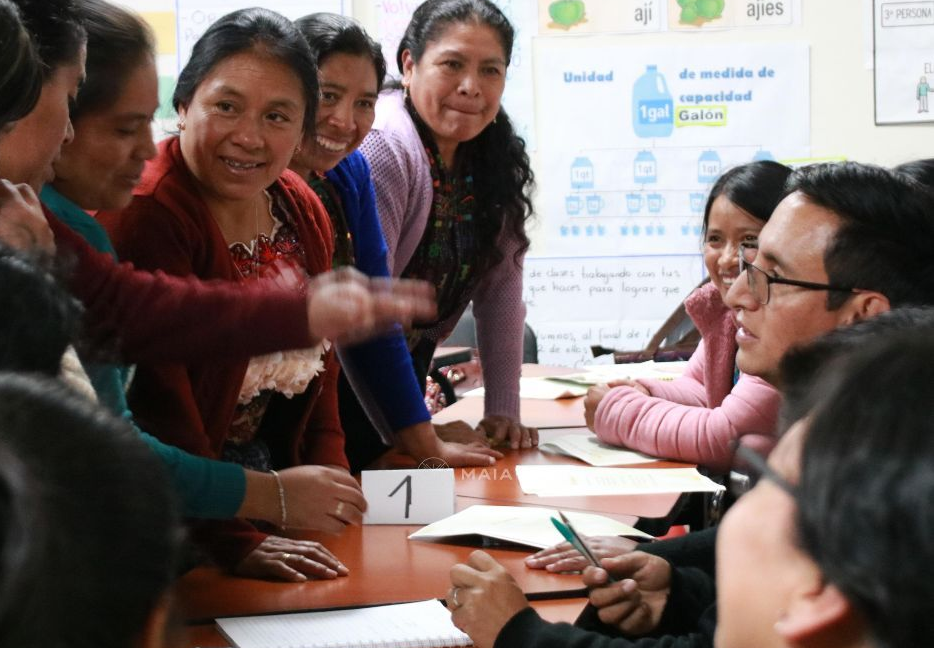
Today, it is helping shape educational practice throughout Guatemala, sharing its approaches with public school teachers, community leaders, and partner organizations through collaborative training and advocacy.
MAIA now
collaborates with Guatemala’s Ministry of Education and
serves as a hub of innovation for three regional collaborative networks it also co-founded to help scale evidence-based practices that expand opportunities for Indigenous girls and strengthen Guatemala’s education system.
Through VOCES, one of those collaborations, MAIA expects to
train 200 public-school teachers across 25 communities by the end of 2026, sharing its innovative approaches to curriculum and instruction developed through years of experience in its own classrooms.
In addition to supporting the school's digital access, curriculum development, arts programs, and use of assessment tools, Mona's partnership directly supports this expansion by funding MAIA’s teacher training program, from which several educators go on to lead six-month trainings in collaboration with VOCES. This is one example of how our partnership has evolved alongside MAIA—supporting the priorities its leaders identify as their organization grows.
In fact, MAIA’s early efforts to build relationships with Guatemala’s government were informed in part by a conversation with another Mona partner through our Partner Advisory Board call. During the call, this partner shared what it had learned from its own experience working with government in India; MAIA adapted those insights to its own context and began developing relationships that eventually helped pave the way for broader collaboration.
This evolution—from developing an excellent school to influencing broader educational practice—may be one of MAIA’s most significant developments.
The knowledge developed through years of listening, testing, learning, and improving is now benefitting students who will never set foot inside the Impact School.
Seeing the Ripple Effect
This is what community-led development can look like when grassroots organizations are supported long-term, pursue their goals with focus and intention, and learn continuously from experience.
For Mona, regular site visits are an important part of sustaining this kind of long-term partnership. They allow us to listen and learn alongside our partners, see their programs in practice, better understand the opportunities and challenges they are navigating, and reflect together on what is working, what is changing, and what may be needed next.
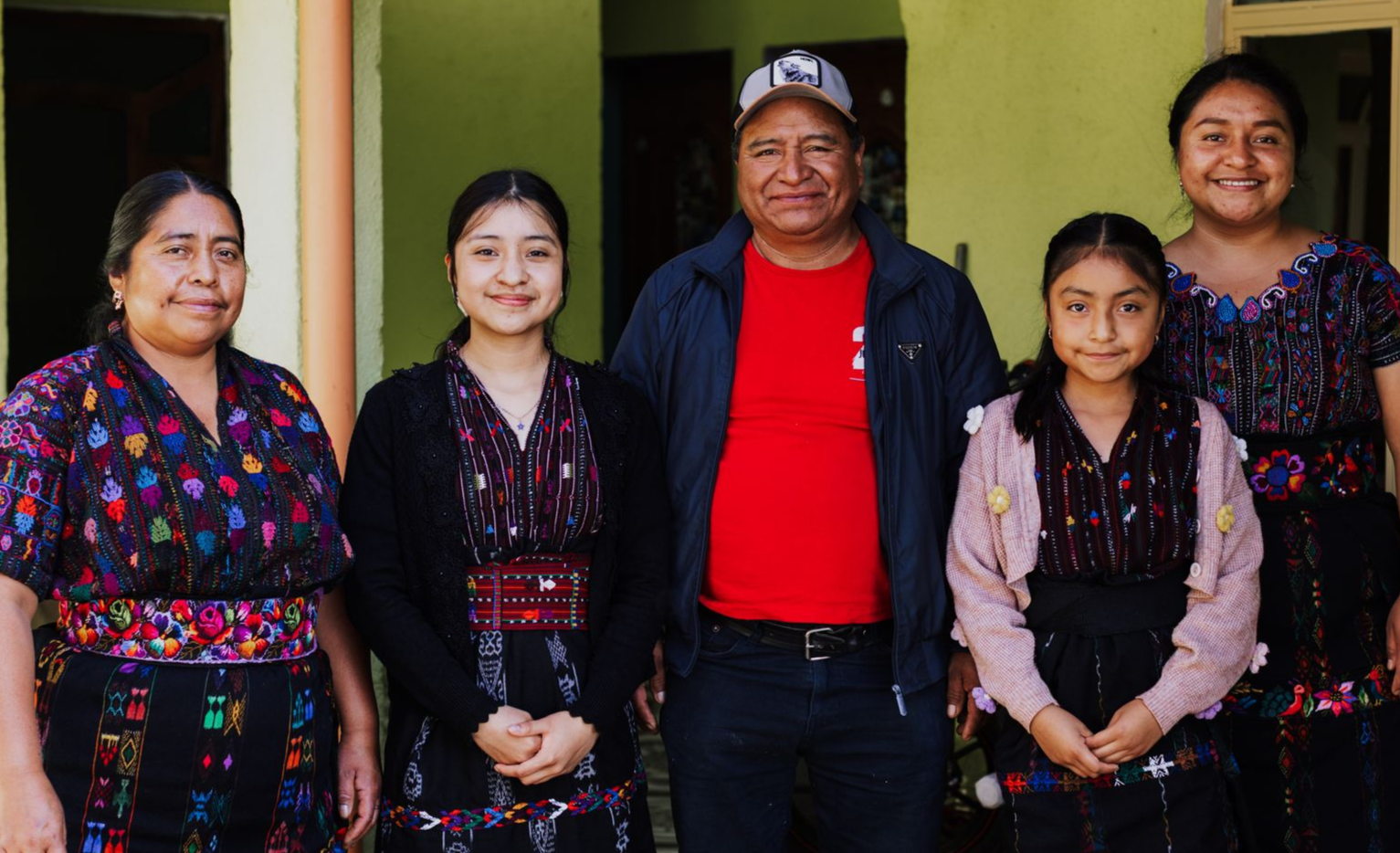
Four years ago, at the beginning of Mona and MAIA's partnership, I left inspired by an extraordinary school. This time, I left thinking about everything growing around it. From Girl Pioneers like Nancy, to their families and communities, to the Indigenous women now leading MAIA, to public-school educators learning from its experience,
the ripple effect is visible and widening.
I returned home more convinced than ever that
MAIA offers a powerful example of
what becomes possible when visionary local leadership, evidence-based practice, and sustained partnership come together.
And it is being led, every step of the way, by the people who know their communities best.
Participants at MAIA's third annual Alumni Network held August 2026.